
Essential Drawing Techniques for Sketching & Illustration
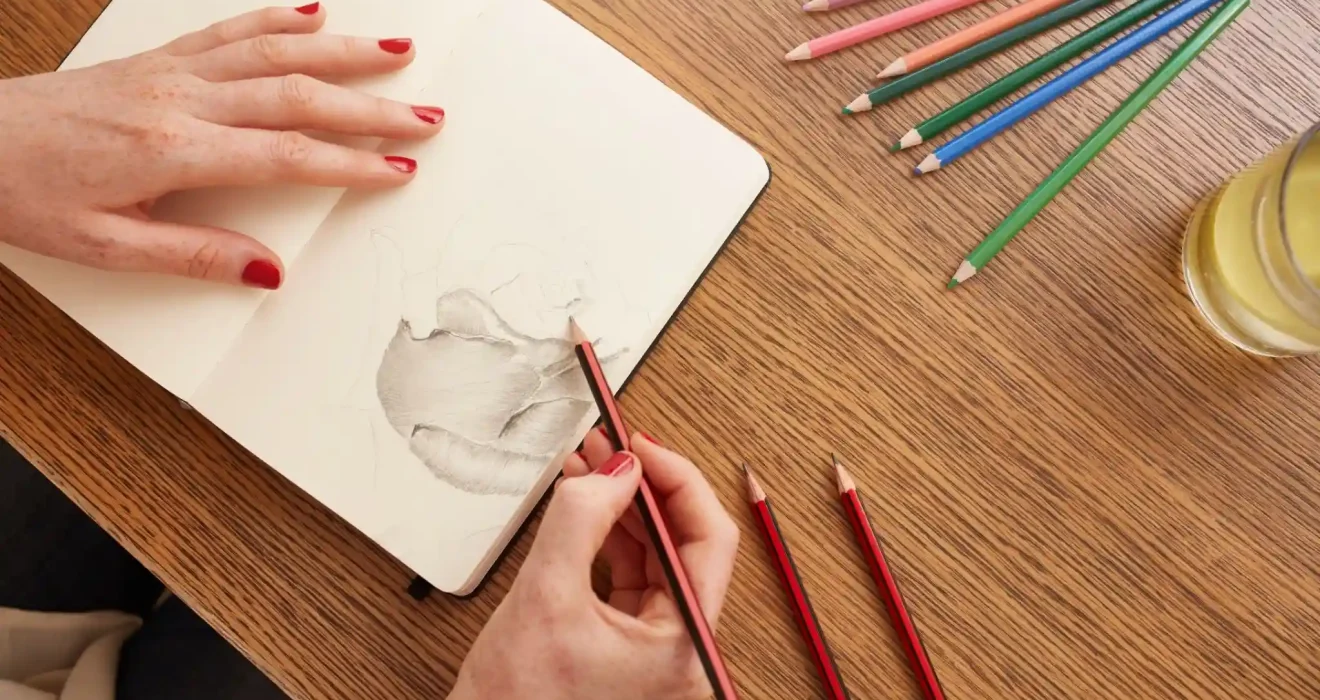
Sketching is the heartbeat of artistic expression, serving as a bridge between initial ideas and finished works. It allows artists to explore concepts, experiment with forms, and capture fleeting moments. Mastering the sketching fundamentals is essential for anyone looking to develop their artistic skills. This blog post will guide you through essential drawing techniques that can elevate your sketching and illustration abilities, helping you bring your creative visions to life.
Understanding Sketching Fundamentals
What Are Sketching Fundamentals?
Sketching fundamentals are the basic principles and techniques that lay the groundwork for all drawing. They encompass everything from understanding shapes and proportions to mastering light and shadow. These fundamentals are crucial as they provide a solid foundation upon which more advanced skills can be built. When artists have a strong grasp of these principles, they can express their ideas more freely and effectively.
The Importance of Observation
At the heart of sketching is the ability to observe. Developing keen observational skills is vital for any artist. It’s about seeing the world not just as it is but as a collection of shapes, lines, and tones. Practicing observational drawing can significantly enhance your ability to capture details accurately. Spend time sketching from life, whether it’s a bustling café scene or the stillness of a flower vase. These exercises will train your eye and sharpen your skills, ultimately improving your overall drawing ability.
Essential Drawing Techniques
Gesture Drawing: Capturing Movement
One of the most exciting techniques in sketching is gesture drawing. This method focuses on capturing the essence and movement of a subject in a short amount of time. It’s about conveying emotion and dynamism rather than perfecting every detail. To practice gesture drawing, set a timer for one to five minutes and sketch a series of poses. This exercise helps you loosen up and develop a more fluid style. Artists like Edgar Degas are known for their dynamic gesture drawings that convey movement and life, a testament to the power of this technique.
Gesture drawing can be particularly beneficial when studying the human figure. Observing how the body moves can significantly improve your understanding of anatomy and proportions. This knowledge will translate into more accurate and expressive drawings.
Line Quality and Variation
Line quality is another essential aspect of sketching. It refers to the variations in thickness, darkness, and texture of the lines you draw. Understanding how to manipulate line quality can add depth and character to your sketches. For instance, using thicker lines can emphasize important elements, while lighter lines can suggest subtler details.
To practice varying line quality, try using different tools. A fine-tipped pen can create delicate lines, while a brush pen can produce bold strokes. Experimenting with these tools will help you discover how line quality can affect your artwork.
Beyond just varying line thickness, consider how different line types can convey emotion. A jagged line might suggest tension or chaos, while smooth, flowing lines can evoke calmness and serenity. Understanding these subtleties will enrich your drawing language and enhance your ability to communicate through art.
Shading Techniques for Depth and Dimension
Understanding Light and Shadow
Shading is a powerful tool in sketching, allowing you to create depth and dimension. To understand how light interacts with objects, it’s essential to study the light source and its effects on forms. Simple shading techniques like hatching, cross-hatching, and stippling can create a range of textures and tones.
Hatching involves drawing parallel lines to build up shading, while cross-hatching uses intersecting lines to create darker areas. Stippling, on the other hand, uses dots to build up tone. Each technique has its unique effect, and practicing them can significantly enhance your ability to depict light and shadow.
Creating Form Through Shading
Once you grasp the basics of light and shadow, you can start applying shading to create three-dimensional forms. Using a combination of hatching and blending techniques can help transition smoothly from light to dark. Observe how light hits different surfaces and practice replicating these effects in your sketches.
A good exercise is to choose a simple object, like a sphere or a cube, and practice shading it under different light sources. Not only will this improve your shading skills, but it will also deepen your understanding of form and volume.
The ability to create convincing shadows can transform flat sketches into lifelike representations. Artists like Rembrandt used shading masterfully, creating dramatic contrasts that brought their subjects to life. By studying such works, you can gain insights into effective shading techniques that will enhance your own drawings.
Composition in Sketching
The Rule of Thirds and Beyond
Composition is a vital aspect of sketching that often gets overlooked. The rule of thirds is a classic compositional technique where you divide your canvas into a grid of nine equal parts. Placing your subject at the intersections can create a more engaging and balanced composition. However, don’t feel constrained by rules; they are meant to be broken.
Other compositional techniques can enhance your artwork. Leading lines can guide the viewer’s eye through your sketch, while symmetry can create a sense of harmony. Experimenting with these methods will help you find the most effective way to present your subjects.
Balancing Elements in Your Sketch
Balancing positive and negative space is another crucial aspect of composition. Positive space refers to the objects in your sketch, while negative space is the area around and between those objects. A well-balanced composition will draw the viewer’s eye and create harmony in your artwork.
To practice this, take a step back from your sketch and assess the overall balance. Are the elements working together? This awareness will enhance your ability to create visually striking sketches.
Consider the works of artists like Henri Matisse, who often played with positive and negative space to create dynamic compositions. By studying their techniques, you can gain valuable insights into how to balance elements effectively in your own sketches.
Exploring Different Media
Pencils, Charcoal, and Ink
Different drawing mediums can profoundly affect your sketching style and approach. Graphite pencils are versatile and perfect for beginners due to their ease of use and availability. You can achieve a range of tones and effects, making them ideal for detailed sketches.
Charcoal offers a rich, deep line quality that can create dramatic contrasts. It’s excellent for expressive drawings, allowing for both subtle shading and bold strokes. However, it requires some practice to master, as it can smudge easily.
Ink provides a crisp and clean finish. It’s great for capturing intricate details and can be used in various ways, from fine lines to broad strokes. Experimenting with these mediums will help you discover the unique qualities of each and how they can enhance your sketches.
Experimenting with Mixed Media
As you grow more comfortable with your skills, consider exploring mixed media. Combining different mediums can add depth and texture to your work. For instance, using watercolor washes over pencil sketches can create a stunning effect.
Incorporating collage elements or digital enhancements can also expand your artistic repertoire. This experimentation encourages creativity and helps you develop a distinctive style. Many contemporary artists embrace mixed media to push the boundaries of traditional sketching, and you can, too.
Developing Your Unique Style
Finding Inspiration
Finding inspiration is an integral part of the artistic journey. Surround yourself with various influences, whether it’s through nature, art books, or online platforms like Instagram and Pinterest. Study the works of artists you admire and analyze what resonates with you.
However, remember that your artistic voice is unique. Use inspiration as a stepping stone to develop your style rather than a blueprint to replicate. Creating a mood board can help you gather visual ideas and clarify your artistic direction.
Expert Advice: Insights from Professional Artists
We reached out to professional artist and educator Sarah Thompson, who emphasizes the importance of perseverance in developing sketching skills. “Art is a journey,” she says. “Don’t be afraid to make mistakes. Each error teaches you something valuable.”
Sarah also encourages artists to seek feedback from peers and mentors, as it can provide fresh perspectives and insights that help you grow. “Surround yourself with a supportive community,” she advises, “and always be open to learning.”
Conclusion
Mastering essential drawing techniques is a rewarding journey that enhances your sketching fundamentals. By focusing on observation, practicing various techniques, and exploring different mediums, you’ll develop your unique artistic voice. Remember, every artist starts somewhere, and with dedication and practice, you can create compelling illustrations that resonate with both you and your audience. Embrace the process, and let your creativity flow.
FAQs
What are sketching fundamentals?
Sketching fundamentals refer to essential drawing techniques, including line quality, shading, composition, and observation skills that form the foundation for effective drawing.
How can I improve my observational skills for sketching?
Improving observational skills involves regular practice, such as drawing from life, engaging in exercises that focus on capturing details, and studying objects closely.
What media are best for beginners in sketching?
Beginners often benefit from starting with graphite pencils for their versatility and ease of use. Exploring charcoal and ink can also enhance their skills as they progress.