
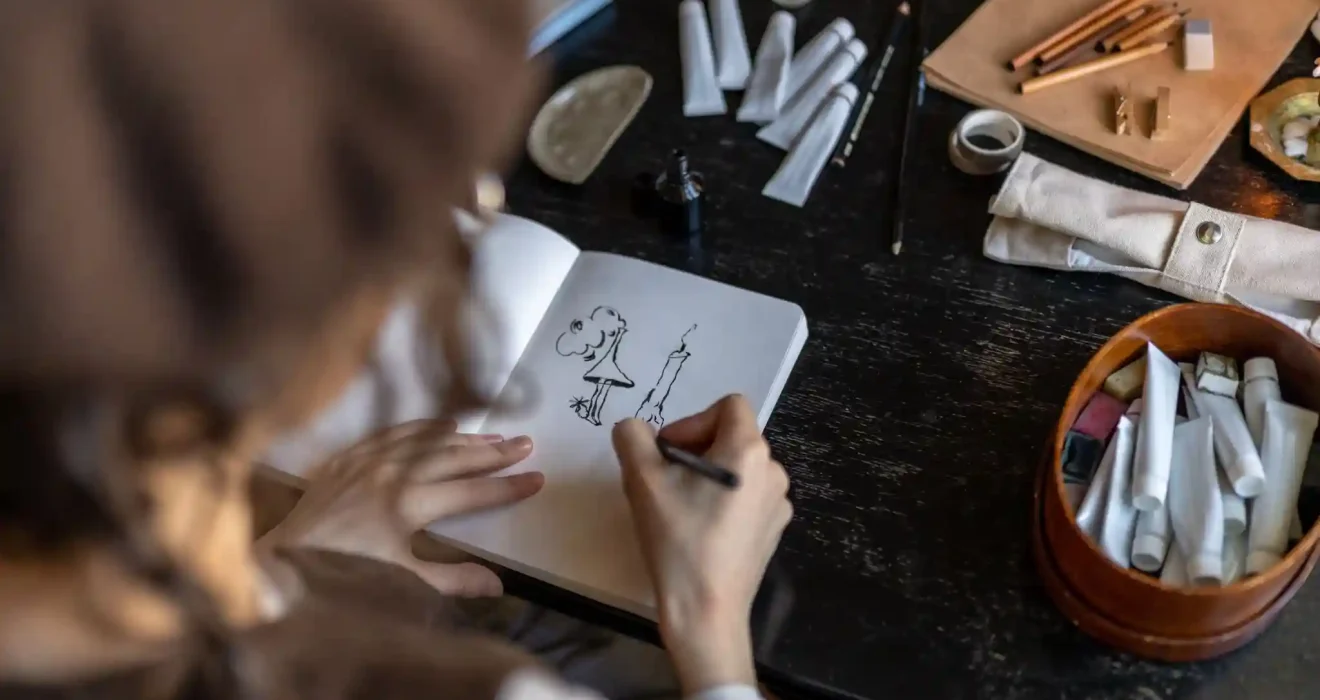
Top Foundational Drawing Techniques for Every Beginner
Embarking on the journey of drawing is an exciting adventure filled with discovery and creativity. For beginners, understanding the foundational drawing techniques is crucial. These techniques not only enhance your skills but also build your confidence as an artist. Whether you dream of illustrating characters, capturing landscapes, or creating abstract art, mastering these fundamentals will set you on the right path. In this blog post, we’ll explore essential drawing techniques that every beginner should know, helping you transform your artistic vision into reality.
Understanding Foundational Drawing Techniques
What Are Foundational Drawing Techniques?
Foundational drawing techniques are the core skills that form the basis of all drawing practices. They include understanding shapes, proportions, shading, and composition. Mastering these techniques allows you to translate what you see into your artwork accurately. These skills are versatile; they apply to various styles and mediums, making them invaluable for any aspiring artist. By focusing on these fundamentals, you can cultivate a strong drawing foundation that will support your artistic growth.
The Role of Observation in Drawing
Observation is at the heart of every successful drawing. It involves not just seeing an object but understanding its shapes, forms, and the relationships between them. Developing keen observational skills enables you to capture the essence of your subjects. As a beginner, training your eye to notice details will significantly improve your drawing accuracy. Practice observing everyday objects and sketching them from different angles. This exercise will help you learn how to translate what you see onto paper.
Essential Techniques to Master
Gesture Drawing: Capturing Movement and Emotion
Gesture drawing is one of the most dynamic foundational techniques. It focuses on capturing the movement and essence of a subject in a short amount of time. This approach is especially beneficial for drawing people and animals, as it helps you understand their forms and movements. To practice gesture drawing, set a timer for one to three minutes and sketch a series of poses. Focus on the flow and energy of the subject rather than details. This technique will teach you to loosen up and develop a more expressive style.
The beauty of gesture drawing lies in its ability to capture the spirit of a moment. As you become more comfortable with this technique, you will find it easier to convey emotion and action in your drawings. Artists like Edgar Degas are known for their ability to convey movement through gesture, and studying their work can provide valuable insights.
Contour Drawing: Defining Shapes with Precision
Contour drawing is another vital technique that involves drawing the outline of a subject without looking at your paper. This method encourages you to focus on the shapes and relationships between elements. By concentrating on the contours, you enhance your observational skills and refine your hand-eye coordination.
To practice contour drawing, choose an object to observe closely. As you draw, keep your eyes on the subject and avoid looking at your paper. This exercise may feel challenging at first, but it will greatly improve your ability to depict accurate shapes. Over time, you’ll find that contour drawing enhances your understanding of form and space, allowing you to create more precise and engaging artwork.
Building Shapes and Forms
Understanding Basic Shapes
Every drawing begins with basic shapes. Recognizing and using geometric shapes is essential for constructing more complex forms. When you break down a subject into simple shapes like circles, squares, and triangles, you simplify the drawing process. This technique makes it easier to achieve accurate proportions and perspectives.
Start by observing objects around you and identifying the shapes that compose them. For instance, a human figure can often be represented as a series of cylinders, spheres, and rectangles. By practicing this technique, you’ll develop a strong foundation that will help you tackle more intricate subjects later on.
Mastering Proportions
The Importance of Proportions in Drawing
Proportions are fundamental to achieving realism in your artwork. Understanding how to measure and compare proportions allows you to create accurate representations of your subjects. This skill is particularly important when drawing the human figure or any complex object.
A helpful technique for mastering proportions is to use measuring tools, such as a pencil or your fingers. Hold your pencil at arm’s length and use it to measure the length and width of different elements in your subject. This method will help you maintain proper proportions and ensure that your drawings are more lifelike.
Gridding Techniques for Accurate Drawings
Grid drawing is a valuable technique that can assist you in maintaining accurate proportions. By dividing your reference image and drawing surface into equal sections, you can focus on one small part of the subject at a time. This method reduces the overwhelming feeling of trying to capture everything at once.
To create a grid, draw light lines across your reference image and your paper. This will give you a framework to work within, allowing you to concentrate on the details of each section. As you transfer the individual sections to your drawing, you will maintain better accuracy in proportions and overall composition.
Shading Techniques: Bringing Depth to Your Drawings
Understanding Light and Shadow
Shading is a critical component of drawing that adds depth and dimension. To create a realistic representation, you need to understand how light interacts with objects. Different light sources create various shadows, and recognizing these effects will improve your ability to render three-dimensional forms.
Begin by studying how light falls on different surfaces. Observe how shadows are cast and where highlights appear. This understanding is crucial for effective shading. As you practice, you’ll learn to depict light and shadow accurately, making your drawings more dynamic and lifelike.
Exploring Different Shading Techniques
There are several shading techniques you can use to enhance your drawings. Hatching involves drawing parallel lines to build up tone, while cross-hatching uses intersecting lines for darker areas. Blending, on the other hand, creates smooth transitions between light and dark areas.
Practice each method to see how they can affect your drawings. Choose a simple object and apply different shading techniques to it. Experimenting with these methods will help you find your preferred style and improve your ability to create depth and texture in your artwork.
Exploring Mediums
The Versatility of Graphite Pencils
Graphite pencils are an ideal starting point for beginners due to their versatility and ease of use. They allow for a wide range of effects, from delicate lines to bold strokes. Understanding how to use different pencil grades is crucial for achieving your desired results. Softer pencils, like 2B or 4B, create darker marks, while harder pencils, like H or 2H, produce lighter lines.
As you practice with graphite, pay attention to how pressure and angle affect your lines. This awareness will help you control your strokes and create varied textures in your drawings. Mastering pencil techniques will provide a strong foundation for exploring other mediums.
Developing Your Artistic Voice
Finding Inspiration Everywhere
Inspiration can be found all around us, and learning to recognize it is a vital skill for any artist. Take time to observe your surroundings, whether it’s nature, architecture, or everyday objects. Each element has its own story to tell and can serve as a source of inspiration for your drawings.
Keeping a sketchbook handy can help you capture ideas as they come to you. Jot down notes, draw quick sketches, or collect references that resonate with you. By immersing yourself in your environment, you’ll cultivate a deeper connection to your artistic practice and find endless inspiration.
Cultivating Your Unique Style
As you develop your skills, you’ll begin to cultivate your unique artistic voice. This process involves experimenting with different styles, techniques, and subjects. Embrace the journey of exploration and allow yourself to try new things. Your personal style will emerge as you practice and refine your skills.
It’s essential to be patient and open to change, as your artistic voice will evolve over time. Embrace the process and enjoy the journey of discovering what makes your artwork distinctively yours.
Conclusion
Mastering foundational drawing techniques is a rewarding journey that opens up a world of creative possibilities. By focusing on key skills like gesture drawing, contour drawing, understanding shapes, and mastering proportions, you’ll build a strong foundation for your artistic development. Remember that regular practice, exploration of different mediums, and finding inspiration in everyday life are essential components of growth. Embrace the learning process, and let your creativity flourish as you embark on your artistic journey. With dedication and an open mind, you can become the artist you aspire to be.